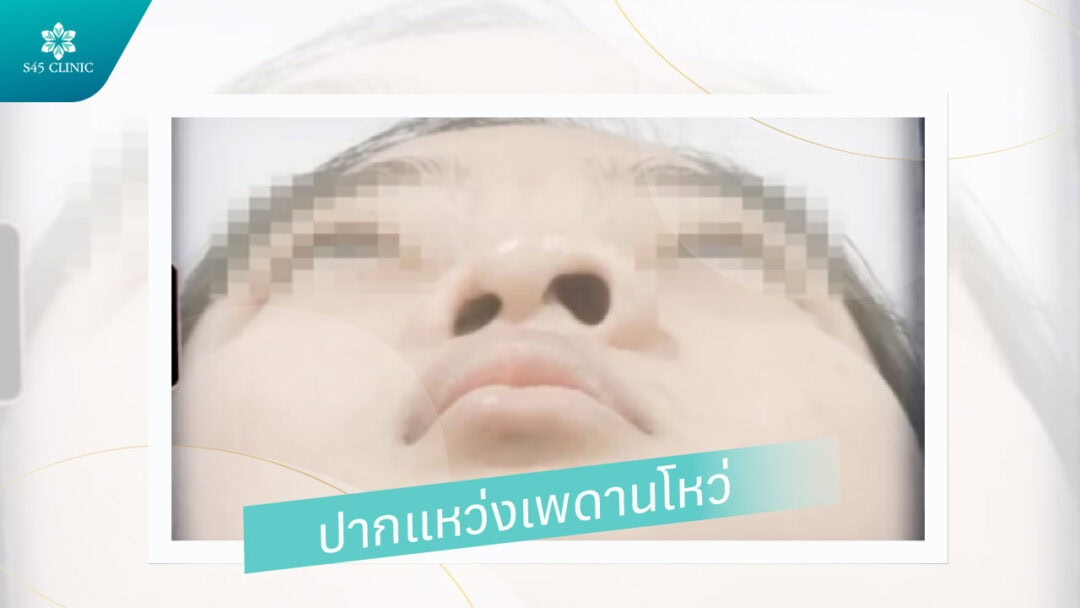
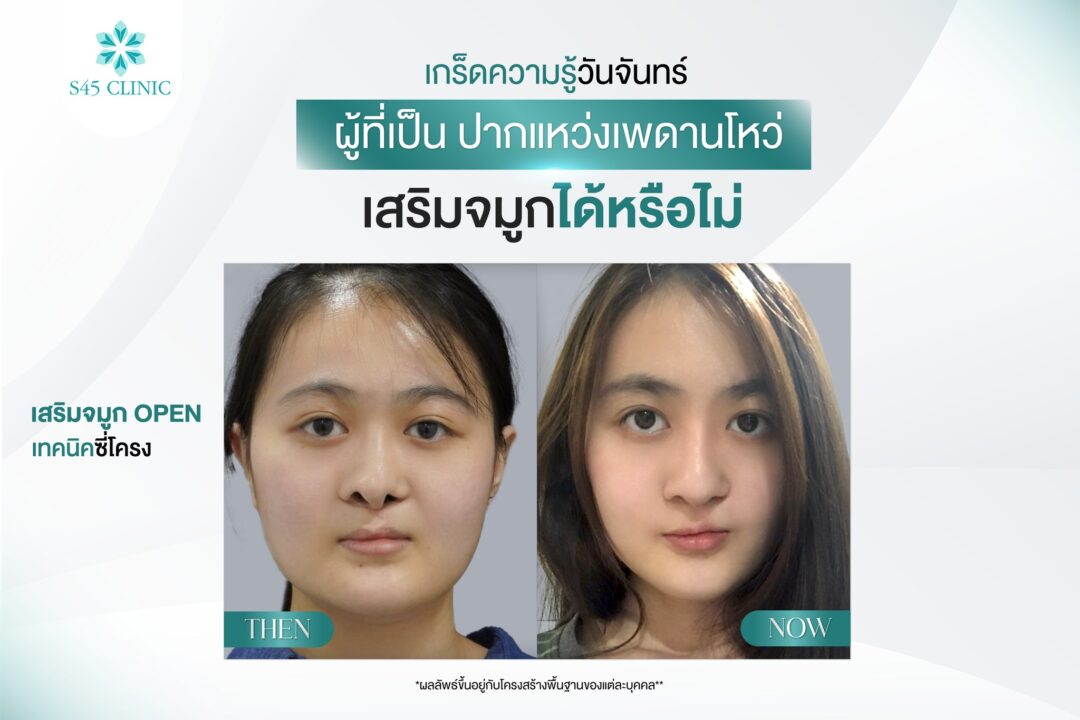
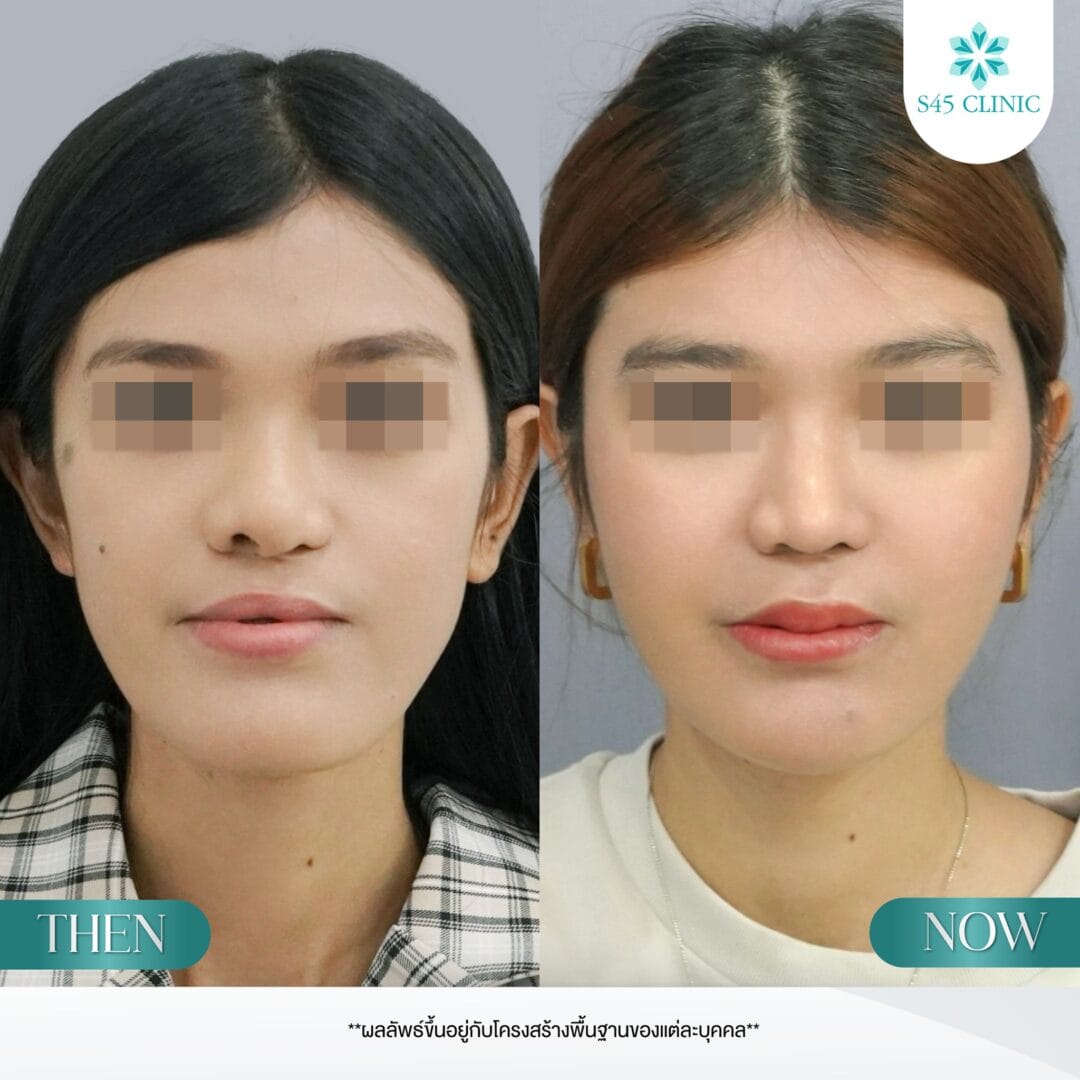
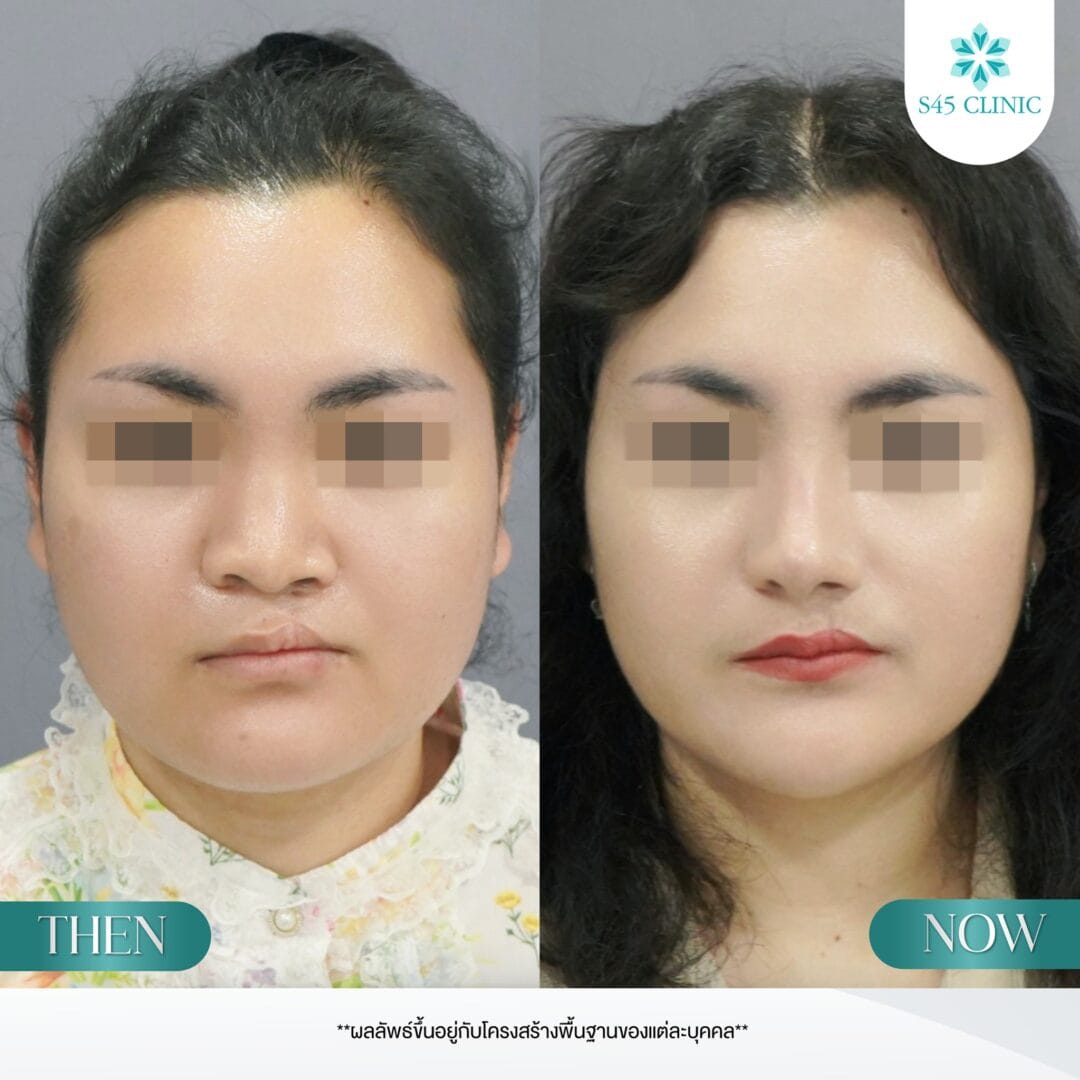
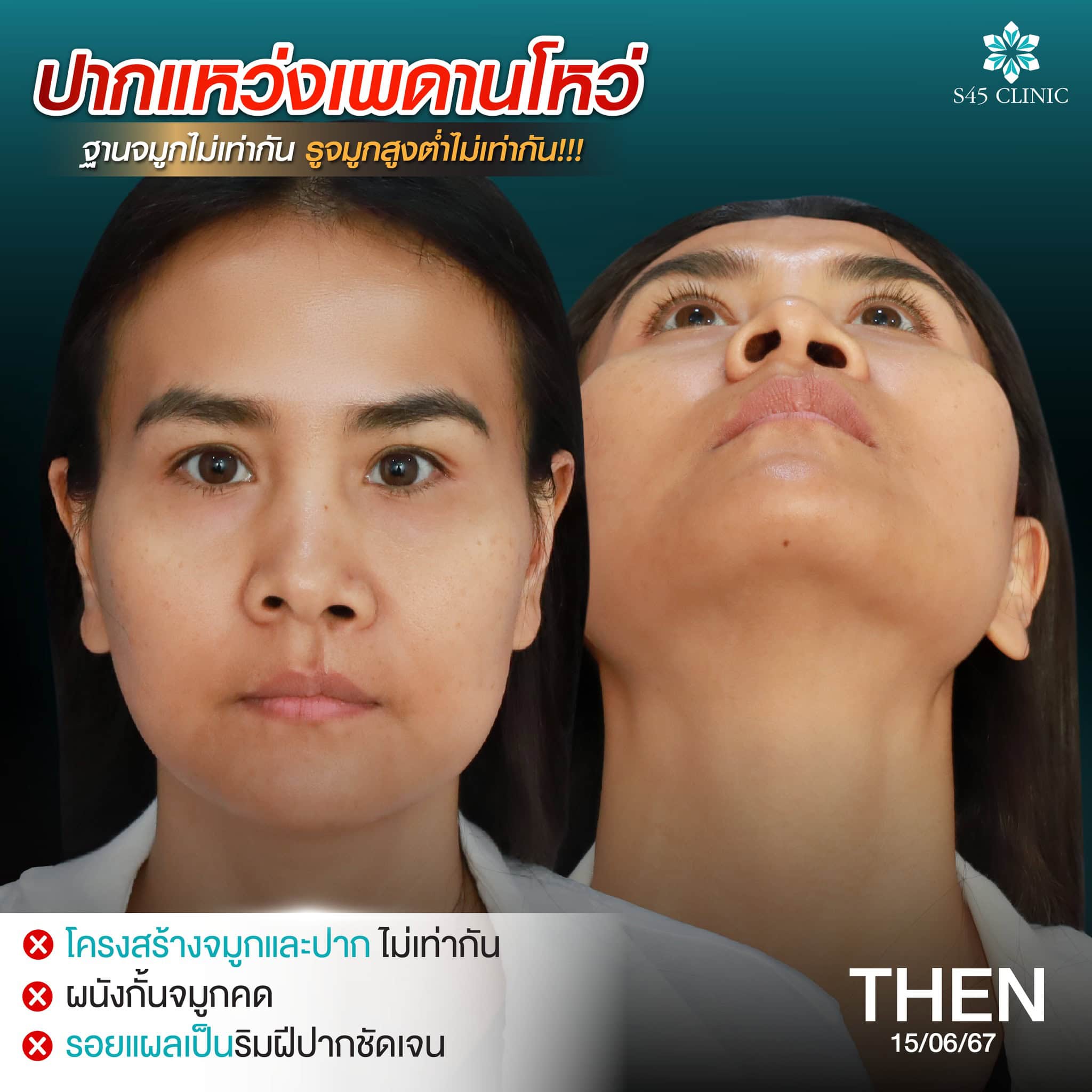
A misshapen face, where the upper lip or the roof of the mouth has not joined, makes the nose and lips crooked and different from the usual shape. This comes from an abnormality before birth and can affect chewing, speech and hearing. These features are common in ‘cleft lip and palate’.
What Causes Cleft Lip and Palate
genetics
exposure of the mother to chemicals or viruses, or not getting enough nutrients, during pregnancy, which affects the baby
smoking or drinking alcohol during pregnancy
diabetes or obesity in the pregnant mother
Features of Cleft Lip and Palate
the upper lip does not close fully, leaving a visible gap or notch
a gap in the roof of the mouth
difficulty eating because the mouth does not close fully
unclear or slow speech, or a nasal sound when speaking
in some people, effects on hearing or long-term ear infections
Cleft lip and palate can be treated with surgery in childhood, or corrected in adulthood with surgery and rhinoplasty. The surgeon diagnoses and assesses the condition in detail according to how severe the nose abnormality is. If treatment can be combined with rhinoplasty and reshaping, the surgeon may recommend doing the rhinoplasty and the treatment in a single operation.
A severely abnormal nose shape, such as:
a clearly tilted nasal structure that is not level at all
nostrils that are clearly different in size
a markedly deviated septum that damages the nasal structure
In cases like this, the surgeon may need to assess structural rhinoplasty and rebuild the structure with rib cartilage to reconstruct the alar cartilages (septum).
To treat cleft lip and palate, the surgeon repairs the lip and palate and reshapes the nose and lips into a better shape.
S45 Original surgery for cleft lip and palate combined with rhinoplasty
Rebuilds the nasal base and structure, repositions tissue and straightens a crooked septum to make breathing easier.
Refines the tip so it is in proportion with the face.
Raises the bridge with a material the surgeon assesses as suitable for you, such as silicone or cartilage.
This Reshaping Case, Cleft Lip and Palate From Birth
This caused an uneven nasal base and nostrils at different heights, because the nose and lip structures were uneven, as well as a deviated septum and a clearly visible scar on the lip.
S45 Original by Dr. Ty (นายแพทย์กิตติศักดิ์ วงค์เทียนชัย, ว.35602), reshaping difficult noses with a damaged nasal structure, a misshapen nose or a nasal infection
S45 Clinic, Soi Sukhumvit 33, Bangkok. This article is published by S45 Clinic as general information and is not a medical diagnosis. Please see a doctor for an assessment before receiving any treatment.
Acne happens when pores become blocked by dead skin cells, oil from the oil glands and bacteria, causing inflammation, redness and swelling, and different types of spots.
Rhinoplasty can add height, reshape or correct the structure of the nose so it looks softer and suits your face better. It can also help boost your confidence and make your features stand out.
Why does the skin on the nose become thin after rhinoplasty? The main factor is technique. The surgeon may have limited experience in carving or placing the silicone implant, so the implant is too large or stretches the skin too much until it pushes through.
Rhinoplasty and braces can be done in either order, depending on what suits each person. You can consult a dentist or an experienced doctor for advice that suits you.
Do I need revision rhinoplasty? If you have concerns after rhinoplasty, talk to us for advice and a suitable treatment plan. The surgeon plans your care during and after rhinoplasty.
Rhinoplasty with allergies is possible for people with airborne allergies, allergies to animal fur or pollen, or other triggers that cause a runny nose, coughing or sneezing, and for people with sinusitis, because rhinoplasty is not done inside the nasal cavity.