Rib Rhinoplasty With the Open Technique, How It Treats a Thin Nasal Tip and Silicone Implant Extrusion

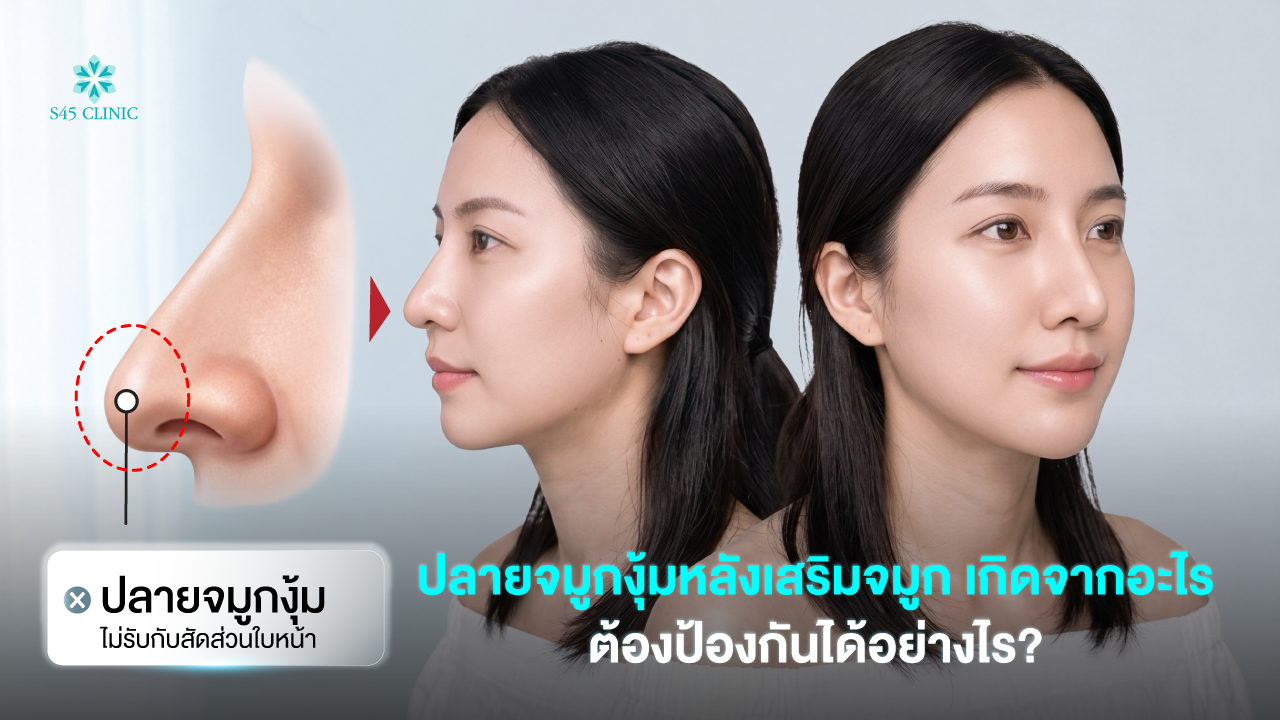
Can rhinoplasty cause complications? The answer is yes, it can, and a common complication is ‘silicone implant extrusion’.
What Causes Silicone Implant Extrusion
- thin skin at the nasal tip that cannot withstand the pressure and friction of the silicone implant
- an unsuitable silicone implant that is too large or too hard
- an implant placed with too much pressure on the skin, because of a lack of rhinoplasty experience
- knocks during recovery, such as accidents, intense exercise that affects the nose before it has healed, or touching or pressing the nose hard
How to Tell If Your Nasal Tip Has Thinned After Silicone Rhinoplasty
- the nasal tip looks thin and translucent, and the outline of the implant shows clearly under the skin
- the skin on the tip looks unusually shiny
- a tingling or painful feeling at the nasal tip
- the tip turns red or darker than the surrounding skin
If you notice these problems, book a consultation with a surgeon for a detailed assessment, and avoid touching the nose.
Reshaping a nose with silicone implant extrusion using open rhinoplasty with rib cartilage from ribs 6 to 8, taken from under the chest, is one approach surgeons use to treat silicone implant extrusion, especially in people with little tissue at the nasal tip.
Rib Cartilage Nose Reshaping Reviews
@s45clinic.official Result at 1 month. Revision rhinoplasty with the open technique by @S45 Clinic surgeon #s45clinic #RevisionRhinoplasty #OpenRhinoplasty #OpenRevisionRhinoplasty #thailand ♬ original sound – S45 Clinic
@s45clinic.official 3 surgeries so far, will this rib rhinoplasty be the last? #s45clinic #S45clinicSurgeon #OpenTechnique #Rhinoplasty #NoseShape ♬ original sound – S45 Clinic
How Open Rib Rhinoplasty Helps

- a lower risk of infection or of the body rejecting a foreign material
- adds thickness to the nasal tip
- a lower chance of shifting or bending, so the shape is less likely to change once the nose has settled
- suits rhinoplasty, tip lifting, and difficult or complex reshaping cases
How to Look After Yourself After Rhinoplasty With Rib Cartilage

- Apply cold compresses around the nose.
- Gently clean the incisions on the nose and under the chest.
- Avoid intense exercise or heavy lifting for at least 1 month after rhinoplasty or reshaping.
- Do not wear glasses for at least 1 month after rhinoplasty or reshaping.

Frequently Asked Questions
Where to Have Rib Cartilage Nose Reshaping
S45 Clinic takes on difficult cases, complex reshaping cases and many cases declined elsewhere. Every case is cared for by an experienced surgeon, with a nose shape designed to suit you and continued follow-up after reshaping.
Does Rib Cartilage Surgery Hurt?
After surgery you may feel slight discomfort. If the pain is strong, you can take painkillers, and it gradually improves over 7 to 14 days.
Will the Nose Change Shape After Rib Rhinoplasty Has Settled?
Surgeons at S45 Clinic have more than 15 years of experience in rhinoplasty and reshaping. In every case, the surgeon considers which technique and nose shape suit you, which aims to keep the chance of the shape changing in future low.
If I Do Not Want Rib Cartilage, Can Other Tissue Be Used?
Nose reshaping and rhinoplasty do not have to use rib cartilage only. When choosing a material, the surgeon first considers your nasal structure and the shape you like, together with the design for each case, and then chooses the material.
How Long Does Rib Cartilage Reshaping Take to Settle?
It usually takes 3 to 6 months, with full healing at 12 months.
Can I Reshape My Nose Again After Rib Cartilage Rhinoplasty?
Yes, but wait for the incisions to heal first. Reshaping surgery can be done after 6 to 12 months, unless the nose is infected or there are other problems affecting breathing, in which case book a consultation with a surgeon.
Note: Repeat nose surgery, which many people know as ‘nose reshaping’, is surgery for people who have had nose surgery before and need a further assessment by a surgeon. The approach to care depends on the original problem, the nose structure and the surgeon’s judgement in each case.