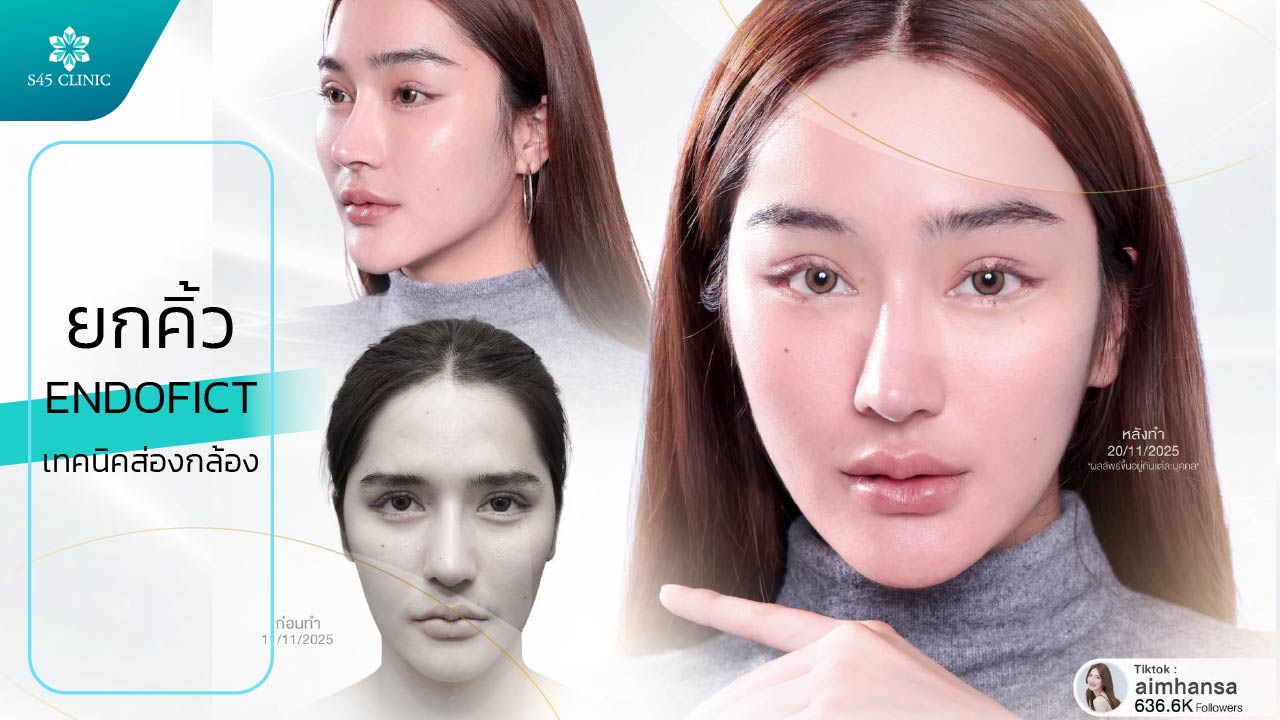
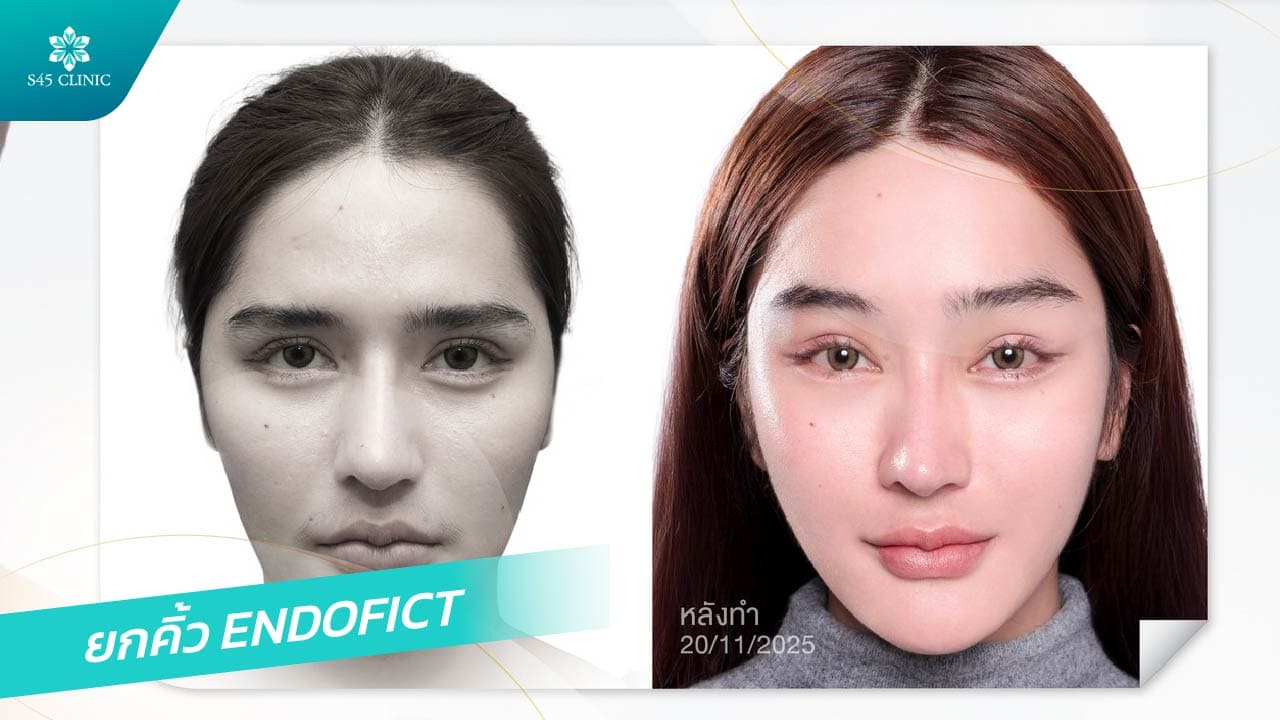
Forehead Reduction Surgery for a High Forehead With Endotine Hairline Lowering
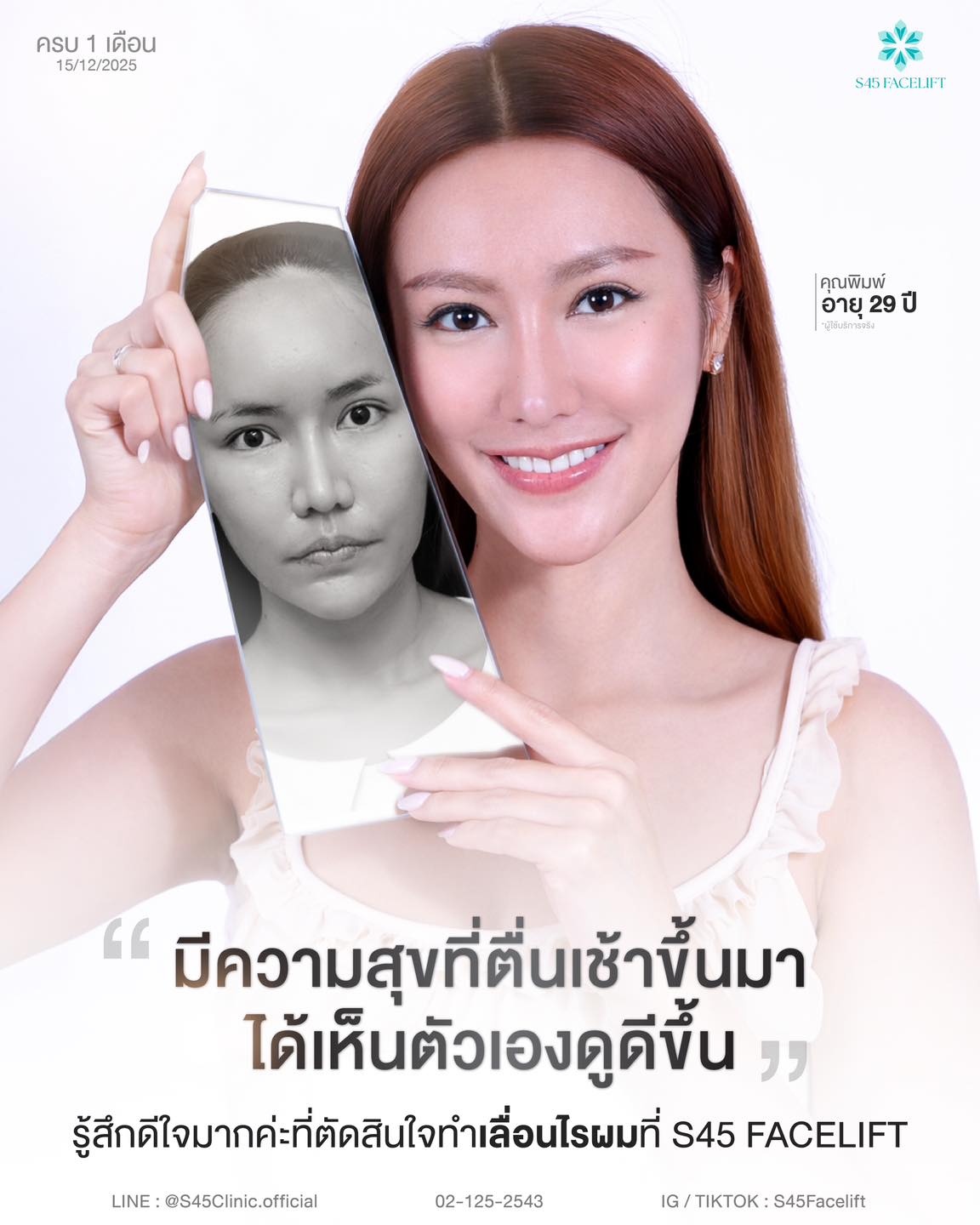
Do you feel uncomfortable when you take photos or tie your hair up because it shows a forehead that looks too wide? Some people keep a fringe all the time or always style their hair to cover their forehead. A wide or high forehead does not affect your health, but it can make you feel less confident about how you look.
- Your forehead is too wide or high and out of proportion with your face.
- A high or receding hairline makes you look older than your age.
- An M-shaped hairline makes your face look harsh rather than soft.
- Your forehead looks shiny in photos, and it takes a long time to find a flattering angle.
- Styling your hair to cover your forehead takes a long time, and it is hard to change your look when you tie your hair back.
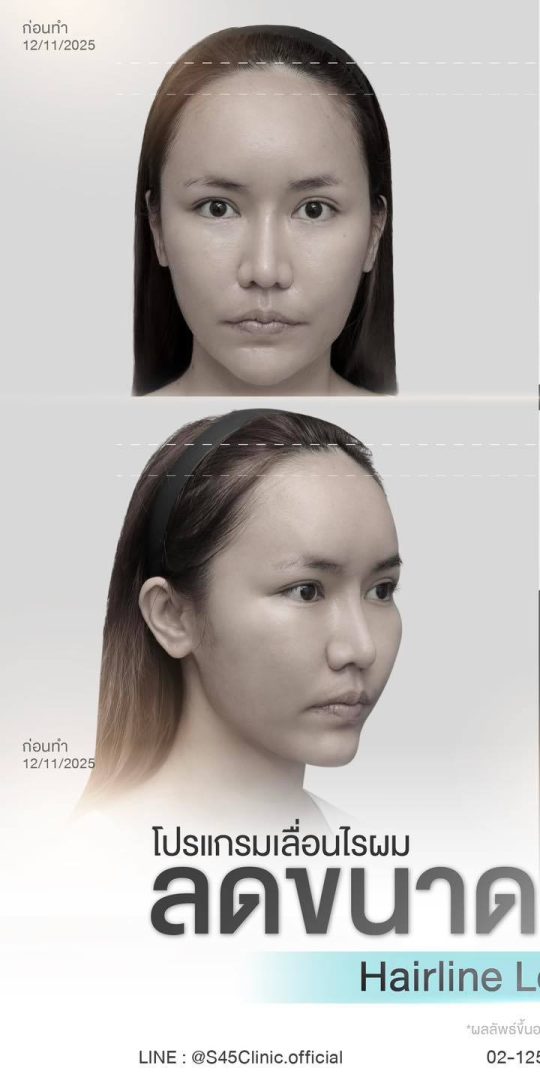
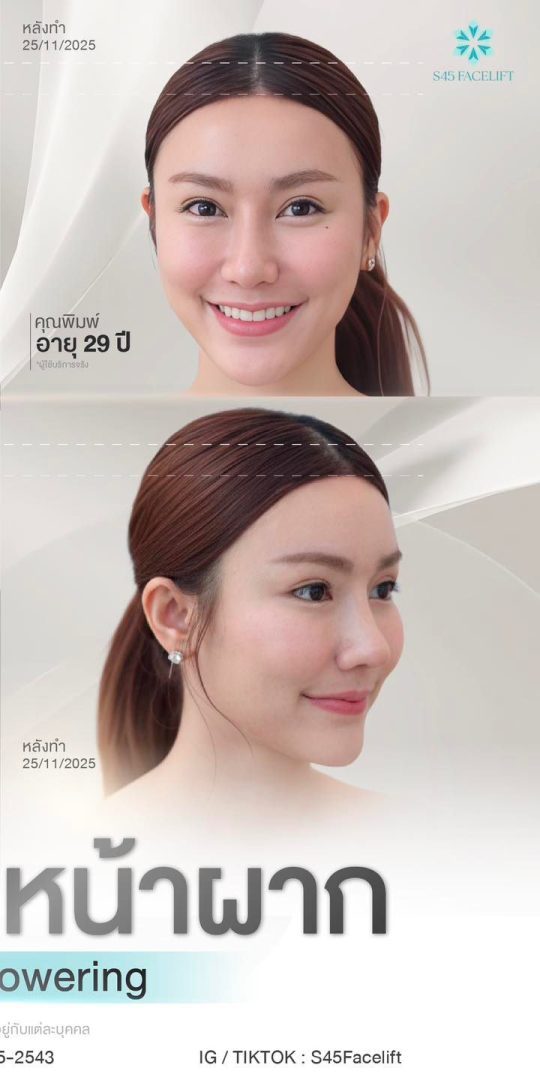
From a wide forehead to more balanced facial proportions, the hairline lowering (Endotine Hairline Lowering) programme reduces the forehead area by bringing the hairline lower, to balance your facial proportions and help you look more youthful.

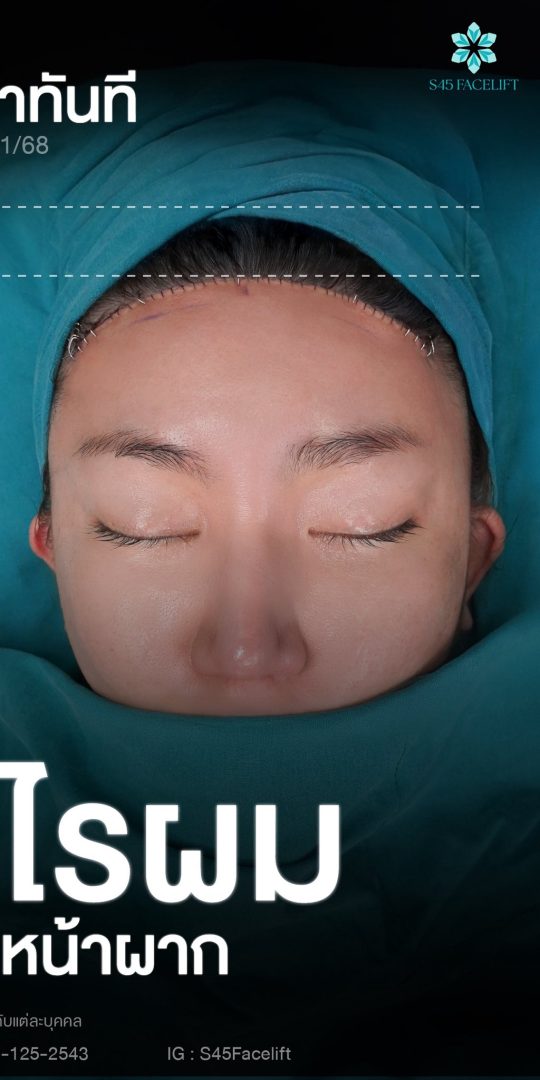
Hairline Lowering Surgery at S45 Facelift
- The surgeon designs a hairline that suits the shape of each person’s face.
- The surgeon makes a careful incision along the existing hairline.
- The tissue under the scalp is released so the scalp becomes flexible and can move rather than staying stiff.
- The scalp is drawn forward, which lowers the hairline.
- The excess forehead skin is removed.
- The incision is closed carefully so the scar sits within the hairline, where it is usually hidden by hair.
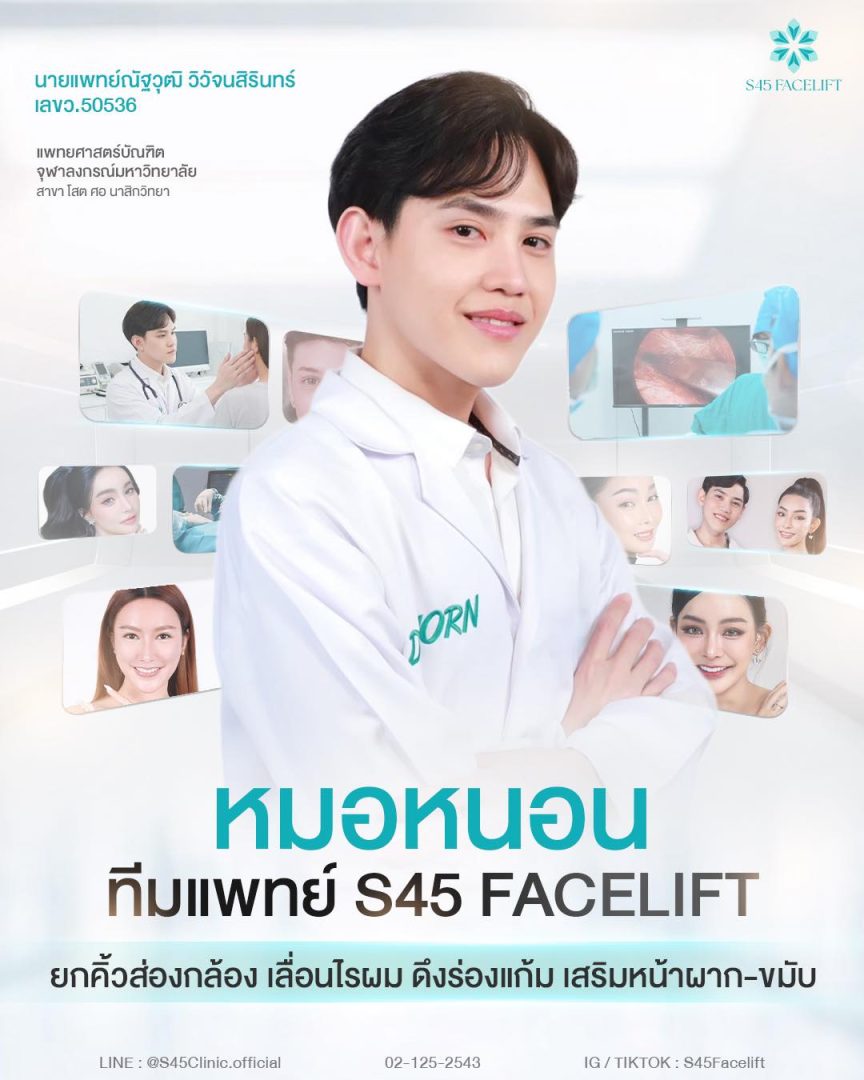
The S45 Facelift surgeon at S45 Clinic is experienced in endoscopic brow lift, hairline lowering, nasolabial fold lift, forehead augmentation and temple augmentation, with treatment planned in detail for each person.
Results After Hairline Lowering Surgery
- Forehead height can be reduced by 1cm to 3cm during the operation (this depends on how flexible your scalp is).
- The hairline is moved during the operation, so you do not need to wait for new hair to grow.
- Your face may look more youthful.
- Your facial outline may look more defined and your facial proportions more balanced.
- You may feel more confident about your forehead.
Who Hairline Lowering Suits
- a forehead that is too wide or high (more than 6cm to 7cm from the eyebrows to the hairline)
- a high hairline caused by genetics or facial structure
- hair loss or a hairline that has receded with age or hormones
- a scalp that is thick and flexible enough for the hairline to be brought down
- thick hair, which helps to cover the scar
- wanting the hairline changed during surgery rather than waiting for hair to grow slowly, as with a hair transplant
Differences Between Hairline Lowering Surgery and a Hair Transplant
| Hairline lowering surgery | Hair transplant | |
| Results | Hairline moved during surgery | 6 to 12 months |
| Technique | Surgery brings the hairline lower to reduce forehead size | Hair follicles are moved and replanted |
| Who it suits | A wide forehead with thick hair | Hair loss causing a thin hairline |
| Recovery time | 2 to 3 weeks | 6 to 12 months |
Benefits of Hairline Lowering
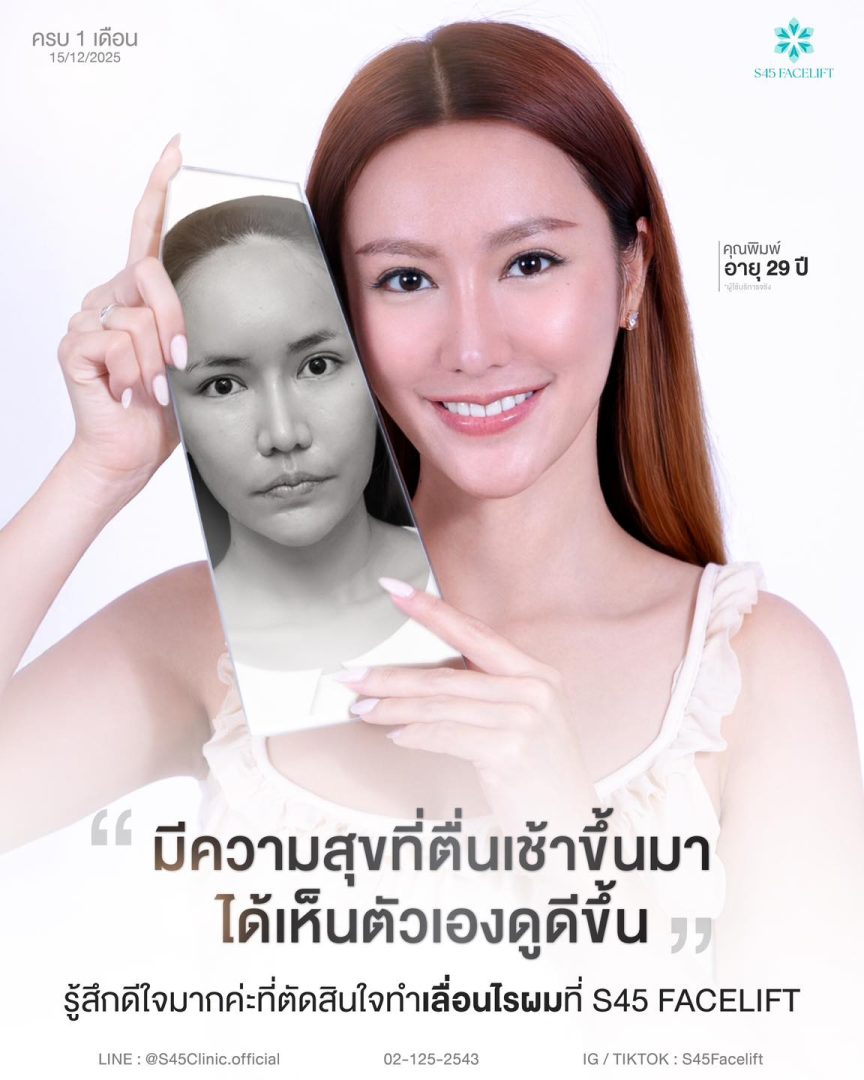
- The forehead is made smaller during surgery, so you do not need to wait for new hair to grow or worry that the hair will not grow.
- The adjusted hairline does not depend on hair growth, but how it looks over time depends on each person.
- Reducing the forehead can help your face look more proportionate and softer, and may help you look younger.
- You may feel more confident tying your hair up or sweeping it back without needing to cover your forehead.
- It can be combined with other procedures, such as:
- brow lift to correct drooping eyebrows
- brow bone reduction to reduce a brow bone that is too prominent
- facelift to lift and tighten the facial skin
How to Prepare for Hairline Lowering
- Have a consultation with a surgeon at S45 Facelift to assess whether the procedure suits you and to plan your treatment.
- Stop taking some medicines, such as aspirin and anti-inflammatory medicines, for 7 to 10 days before surgery.
- Stop smoking and drinking alcohol for at least 2 to 4 weeks before surgery.
- Wash your hair thoroughly on the morning of surgery.
- Do not eat or drink for 6 to 8 hours before surgery.
Aftercare Following Hairline Lowering Surgery
- Get enough rest and avoid strenuous activity.
- Sleep with your head raised on 2 to 3 pillows to reduce swelling.
- Use cold compresses to help reduce swelling and bruising.
- Take medicines as prescribed by the surgeon, such as painkillers and antibiotics.
- Wash your face gently and take care not to let water touch the wound.
- The surgeon will book an appointment to remove your stitches about 7 to 14 days after surgery.
- Avoid strenuous exercise for at least 4 weeks.
- Avoid dyeing your hair for at least 3 months.
Frequently Asked Questions
1. Does Hairline Lowering Surgery Hurt?
The surgery is done under general anaesthetic, so you are asleep and do not feel the operation. An anaesthetist looks after you until the surgery is finished. After surgery you may get some pain, which can be managed with painkillers.
2. Will the Scar Be Visible?
The scar lies along the hairline, so it is hard to see when it is covered by hair. About 3 to 6 months after surgery, the scar usually fades and sits within the hairline.
3. Will My Hair Fall Out or Get Thinner After Surgery?
Some hair around the incision may fall out temporarily at first, but it usually grows back within 3 to 6 months.
4. How Many Days of Recovery Do I Need Before Going Back to Work?
Most people can go back to their daily routine within 7 to 10 days, but avoid strenuous activity for at least 4 weeks.
5. Will I Look Younger After Hairline Lowering Surgery?
Reducing the forehead can help your face look more proportionate and softer, and may help you look younger, because a wide forehead often makes people look older than their age. Results depend on each person.