Rhinoplasty for Snoring and a Blocked Nose, and Whether It Helps

Nose surgery is not just about appearance. It is also about health. Many people think ‘nose reshaping’ or ‘rhinoplasty’ is only about looks, but in fact 70% to 80% of medical nose surgery is to correct breathing problems, because an abnormal nose structure causes a blocked nose, snoring and allergy symptoms.
Up to 40% to 60% of people who snore do so because of a deviated septum and enlarged turbinates (turbinate hypertrophy), which may be corrected with surgery.
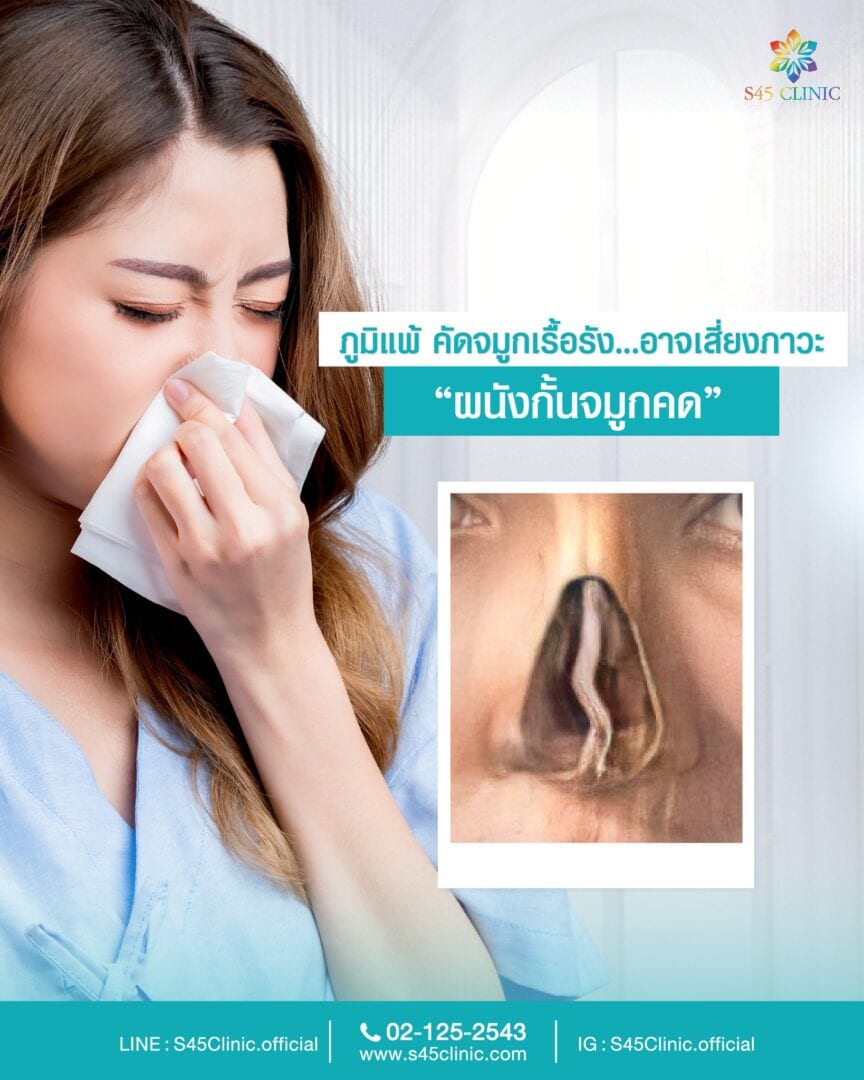
Why Do People Snore?
Snoring happens when the airway is narrow so air cannot pass through easily. When you breathe in and out, soft tissue such as the soft palate, tongue and uvula vibrates and makes the sound of snoring.
Causes of Snoring
40% To 60% Are Caused by an Abnormal Nose Structure (Nasal Obstruction)
- 30% to 40%, a deviated septum
- 20% to 30%, enlarged turbinates (turbinate hypertrophy)
- 5% to 10%, nasal polyps
20% To 30% Come From the Throat (Oropharyngeal Causes)
- enlarged tonsils
- a long, drooping uvula (elongated uvula)
10% To 20% Come From Being Overweight
5% To 10% Are Caused by Sleeping Position and Loose Muscles
Nose Structures That Cause Snoring
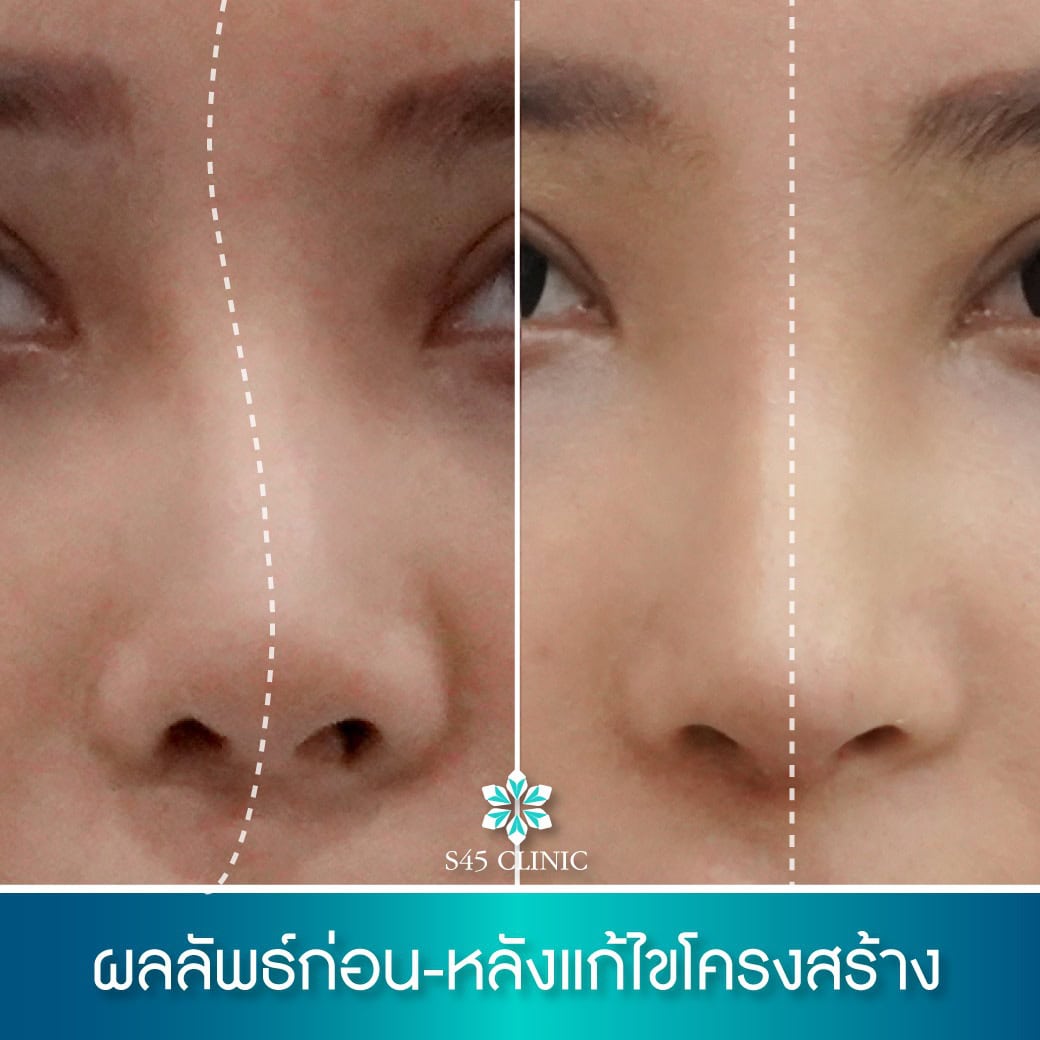
1. Deviated Septum
The septum is the wall of bone and cartilage that divides the nasal cavity into 2 sides. If it is crooked or tilted, one side becomes narrow, air cannot pass through and the nose is blocked.
Symptoms
- one side of the nose blocked, or the blockage switching sides
- difficulty breathing, especially when sleeping
- loud snoring
- a dry mouth from breathing through the mouth
- frequent sinusitis
2. Swollen, Enlarged Turbinates (Turbinate Hypertrophy)
The turbinates are bony structures inside the nose, in 3 layers (upper, middle and lower), that filter the air and control its temperature. If they are enlarged or swollen, the airway becomes narrow.
Causes of Swollen, Enlarged Turbinates
- allergies (allergic rhinitis), the most common cause
- people with chronic sinusitis
- overusing nasal decongestant sprays (rebound effect)
- a deviated septum
3. Nasal Polyps
Nasal polyps are soft growths caused by chronic inflammation of the nasal lining. They often occur in people with allergies and sinusitis.


Can Nose Surgery Really Help With Snoring?
Nose surgery (septoplasty) can help with snoring if the cause is the nose structure, but if the cause is the throat, the tongue or obesity, nose surgery will not help.
Frequently Asked Questions
After Nose Surgery, Does Follow-Up Care Promise That I Will Not Snore Again?
Follow-up care after nose surgery does not include a promise of less snoring. The surgeon considers nose surgery and treatment if the main cause is the nose structure, you are not obese, your weight is within the healthy range, and you do not have severe sleep apnoea.
If you are very overweight or have enlarged tonsils, nose surgery alone may not be enough
Will I Breathe Easily Straight After Surgery?
- in the first week, nasal packing makes breathing difficult
- in weeks 2 to 4, there is swelling and congestion, and you can breathe at about 50% to 70%
- in months 2 to 3, the swelling goes down and you can breathe at about 80% to 90%
- from month 6, breathing is at its easiest, so be patient and give your body time to recover
Can I Have Nose Surgery If I Have Allergies?
People with allergies often have enlarged turbinates (turbinate hypertrophy), which cause a blocked nose. Surgery to reduce the turbinates can help you breathe more easily and help nasal sprays work better, which may improve allergy symptoms, but the implant material must be one you are not allergic to.
“Which rhinoplasty material is suitable for people with allergies“
Will My Nose Become Crooked Again After Surgery?
The chance is very low if the surgery is done appropriately by an experienced surgeon, with good aftercare (avoiding knocks and not blowing your nose hard) and no accidents or blows to the face.
Who Should Consider Nose Surgery for Snoring?
- people with a deviated septum
- people with enlarged turbinates (turbinate hypertrophy) from allergies
- people with nasal polyps
- people with a chronically blocked nose and difficulty breathing
- people with chronic sinusitis
- people of normal weight or slightly overweight (BMI under 27)
- people with mild to moderate sleep apnoea (AHI under 30)
Note: Repeat nose surgery, which many people know as ‘nose reshaping’, is surgery for people who have had nose surgery before and need a further assessment by a surgeon. The approach to care depends on the original problem, the nose structure and the surgeon’s judgement in each case.