What Causes Droopy Eyelids, Downturned Eyes and Hidden Eyelid Creases?
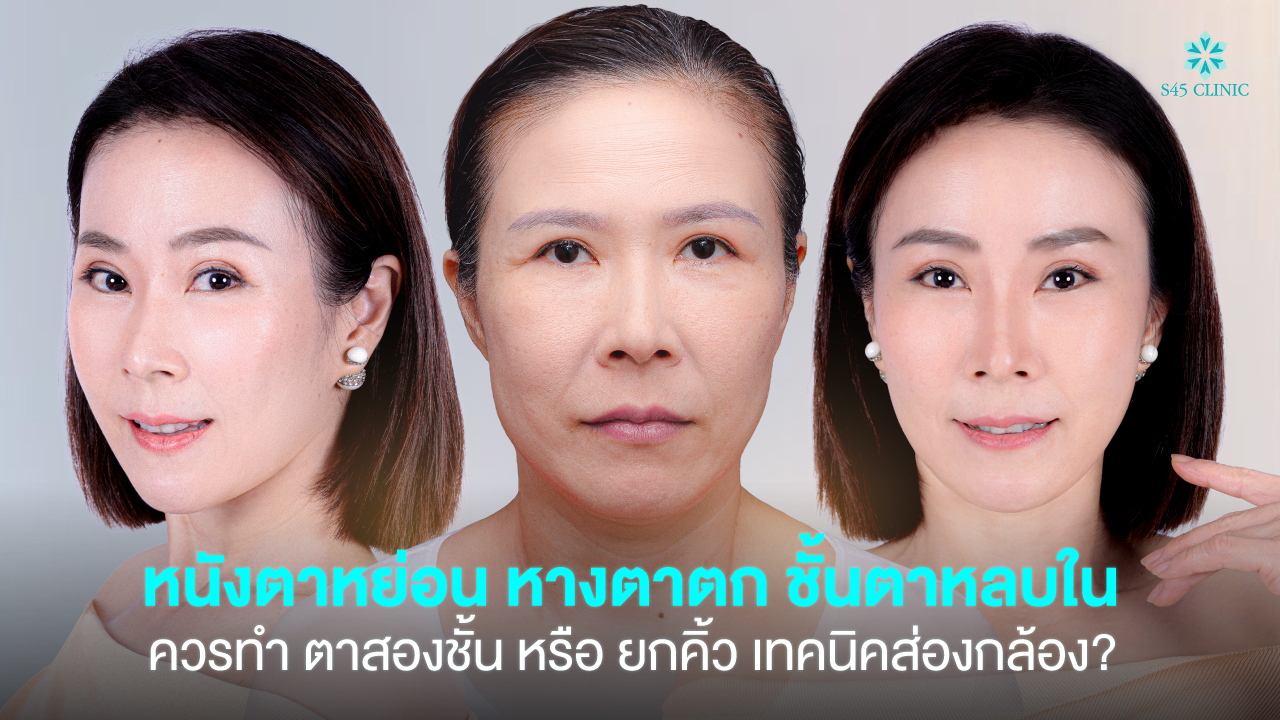
Many people with droopy eyelids, downturned eyes or hidden eyelid creases, or who feel their eyes look tired and their face looks dull and older, often wonder whether they should have double eyelid surgery or an endoscopic brow lift.
In fact, not everyone with a hidden eyelid crease or drooping eyelids is suited to double eyelid surgery. In some cases the problem may not come from the eyelid crease itself, but from low brows, drooping outer brows, a narrow space between the brows and the eyes, or upper eyelid skin that hangs down and covers the existing crease so that it can no longer be seen. This article explains what can cause droopy eyelids, downturned eyes and hidden eyelid creases, and which cases need an assessment with a surgeon before deciding between double eyelid surgery and an endoscopic brow lift.
What Causes Droopy Eyelids, Downturned Eyes and Hidden Eyelid Creases?
Problems around the eyes, such as droopy eyelids, downturned eyes, hidden eyelid creases or an existing crease that looks smaller, can have several causes and do not come from the eyelid crease alone. An assessment looks at the brow position, the eyelid skin, the eyelid crease and the overall shape of the face together.
1. Genetics
Some people are born with small or hidden eyelid creases, a fairly narrow space between the brows and the eyes, or low brows, because of genetics. This makes the area between the brows and the eyelid crease look smaller than usual.
In this group, having double eyelid surgery without also assessing the brow position may make the eyelid crease look narrower, because double eyelid surgery may remove some eyelid skin, which can make the space between the brows and the crease look smaller. For this reason, have a surgeon assess you so that the procedure chosen suits you as an individual.
2. Droopy Eyelid Skin Covering the Eyelid Crease
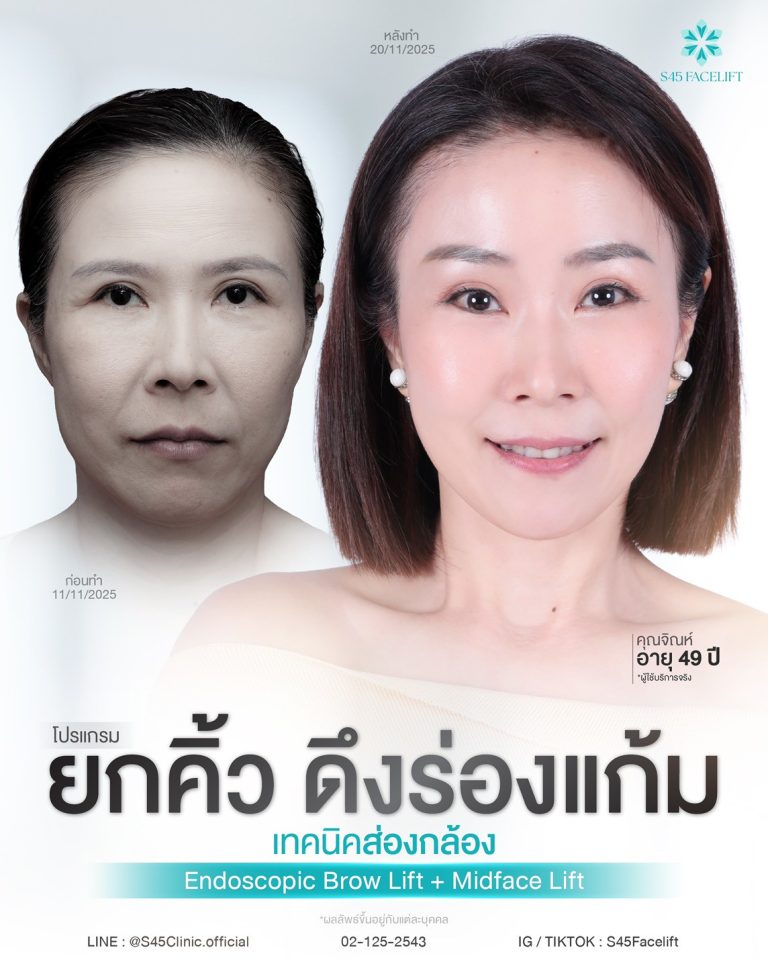
When the upper eyelid skin droops, it covers the existing eyelid crease, so less of the crease can be seen or it looks like a hidden crease. Signs you may notice include:
- less of your existing eyelid crease is visible
- the eyelid creases on each side look uneven
- your eyes look tired and dull
- your face looks tired overall, even when you have had enough rest
- your face looks older
However, in this case have a surgeon assess whether the skin covering the crease comes from the eyelid skin itself or from a lower brow position.
3. Low or Drooping Outer Brows Make the Eye Area Look Narrower
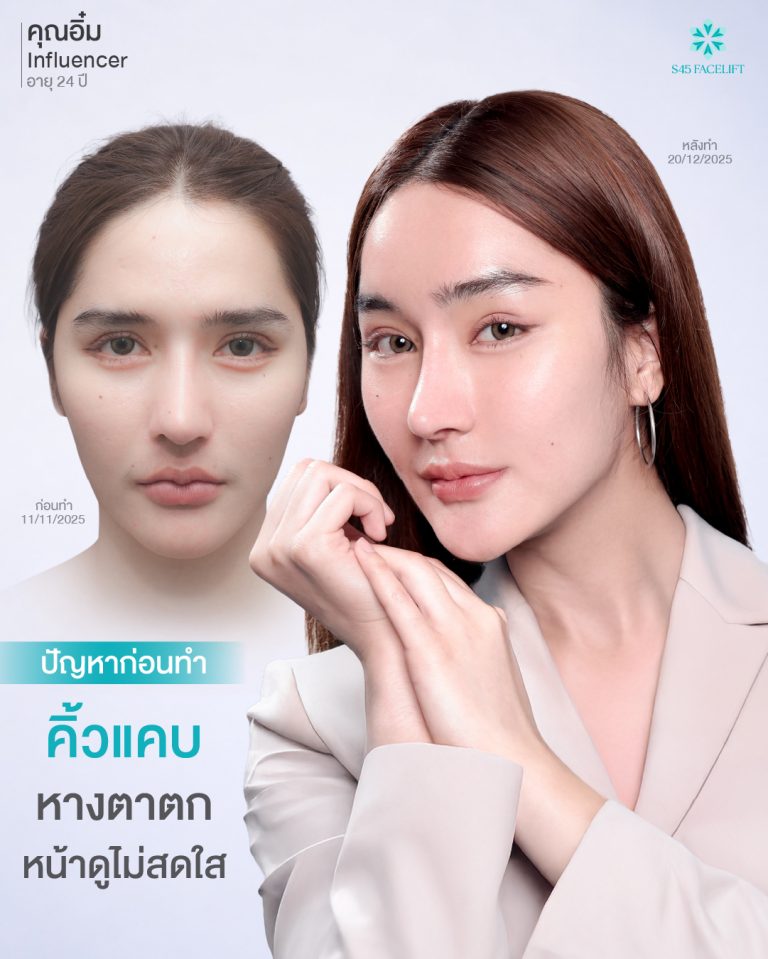
When the brows or the outer brows drop as you get older, the upper eyelid skin may drop too. This makes the space between the brows and the eyes look smaller, less of the existing eyelid crease can be seen, or the outer corners of the eyes look downturned.
Many people may think the problem is the eyelid crease, but in some cases the cause may be brows that sit lower. If the cause is assessed wrongly and double eyelid surgery is chosen straight away, the eyelid crease may end up looking narrower than before.
4. Raising Your Brows Often, Which Leads to Forehead Lines
As you get older, the eyelid skin can droop down over the eyes and make it harder to see clearly, so you raise your brows often to open your eyes and see better. This habit makes forehead lines more visible. If you have droopy eyelids, a hidden eyelid crease, low brows and forehead lines, have a surgeon assess the whole eye area rather than only the eyelid crease.
5. Ageing and Changes in Skin Elasticity
As you get older, the skin around the eyes and on the forehead becomes less elastic. This makes the upper eyelid skin droop down, or makes the space between the brows and the eyes narrower than before.
Which Problems Should Be Assessed for an Endoscopic Brow Lift?
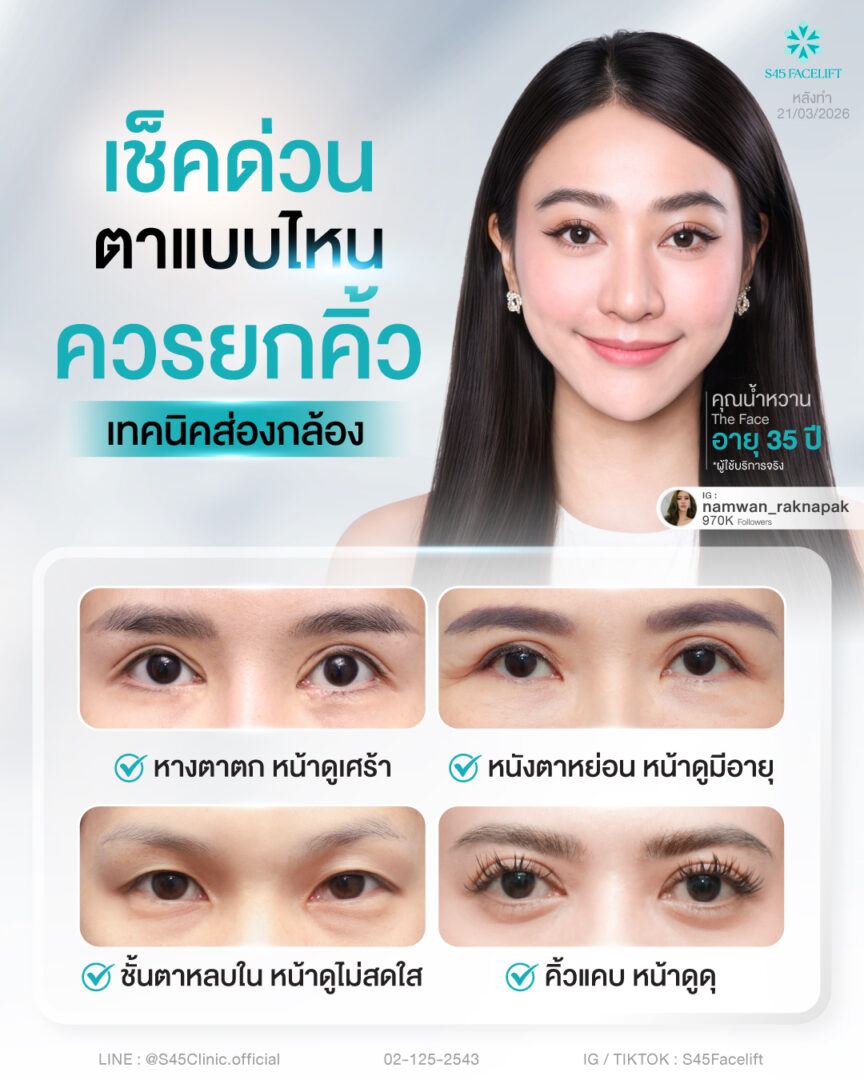
An endoscopic brow lift may be one of the options a surgeon considers when the main problem is related to the position of the brows or outer brows, or to eyelid skin that is pressed down from above.
Downturned Eyes and Drooping Outer Brows Can Make the Face Look Sad
Downturned eyes may be related to drooping outer brows, because when the outer brows sit lower, the outer corners of the eyes drop too. This can make the eyes look sad or tired, or make the face look dull overall.
In some people, the existing eyelid crease may still be there, but the outer corner is covered more by the upper eyelid skin. This makes the outer part of the crease less clear and can make the face look older.
Hidden Eyelid Creases, or Creases Covered by Eyelid Skin so That They Look Hidden
Some people do not have a problem with the eyelid crease itself. The upper eyelid skin simply comes down and covers it, so less of the crease can be seen or it looks like a hidden double eyelid crease.
In this case, the assessment looks at whether the skin covering the crease comes directly from the upper eyelid or from a lower brow position, because the approach differs from person to person.
Narrow Brows, or a Narrower Space Between the Brows and the Eyes
If the space between your brows and eyes is narrow or looks narrower, have a surgeon assess you in detail before double eyelid surgery. If the main problem comes from low brows or drooping outer brows, double eyelid surgery may not always meet your needs. In some cases, lifting more eyelid skin when the space between the brows and the existing crease is already narrow may make the crease look narrower. Have a surgeon assess your brow position together with your eyelid crease before choosing a procedure.
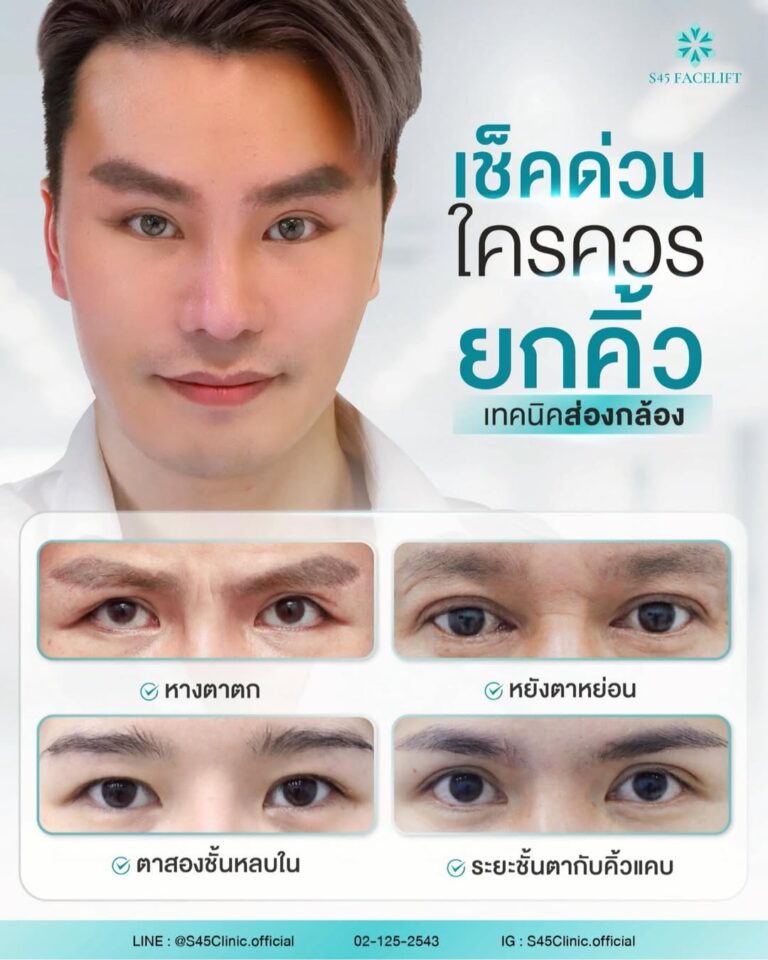
How Does Double Eyelid Surgery Differ From an Endoscopic Brow Lift?
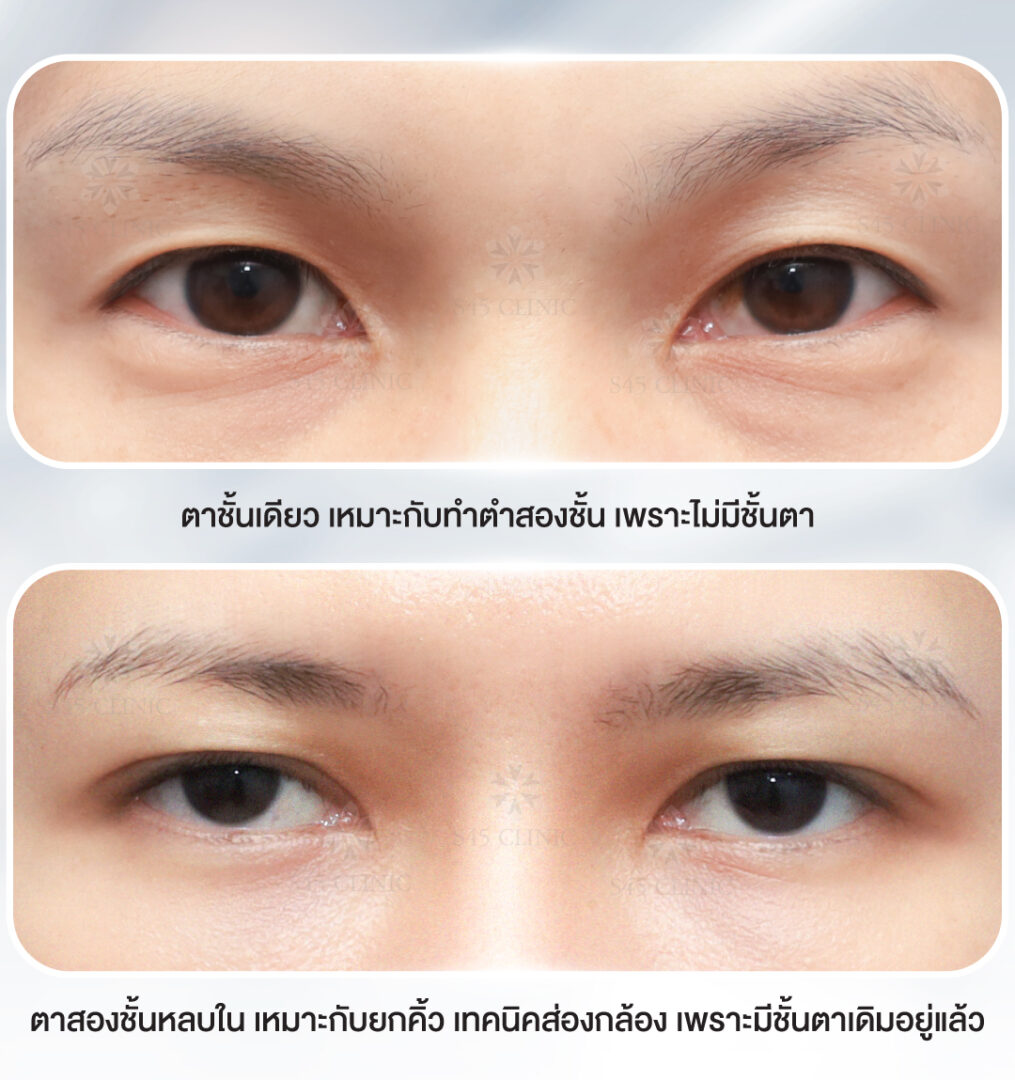
Double eyelid surgery suits people who have no eyelid crease, or a crease that is not clear, because of genetics or weak eyelid muscles from birth, so surgery is needed to create a clearer crease. A brow lift suits people who already have an eyelid crease that cannot be seen clearly, because it is covered by eyelid skin or because narrow brows make the crease look hidden.
How Does S45 Clinic Assess You Before Planning an Endoscopic Brow Lift?
Before planning an endoscopic brow lift, our surgeons at S45 Clinic assess the area around your eyes in detail, including the position of the brows and outer brows, the eyelid skin, the eyelid crease and the space between the brows and the eyes, to consider an approach that matches your concerns, as follows.
Assessing the Position of the Brows and Outer Brows
The surgeon looks at the height of your brows and outer brows and any difference between the two sides, to assess whether low or drooping outer brows are making the eyelid crease less clear, letting the eyelid skin cover the crease or making the outer corners of the eyes look downturned.
Assessing the Eyelid Skin and Existing Eyelid Crease
The surgeon assesses how much the eyelid skin droops and whether you already have an eyelid crease, and considers whether the skin covering the crease comes from low brows or from droopy eyelid skin, so that treatment can be planned to suit you.
Assessing the Space Between the Brows and the Eyes
If your brows are narrow or the space between your brows and eyes looks narrower, the surgeon assesses the brow position, eyelid skin and existing eyelid crease together before considering double eyelid surgery, because in some cases it may make the crease area look narrower than before. If the problem is related to the brow position, the surgeon may consider an endoscopic brow lift, depending on what suits each person.
If you have low brows, drooping outer brows, droopy eyelids, downturned eyes or hidden double eyelid creases that make your face look sad or older, you can book a consultation for an assessment with our surgeons at S45 Clinic here.