How to Fix a Crooked Nose, Fix Your Flaw and Find Your Confidence
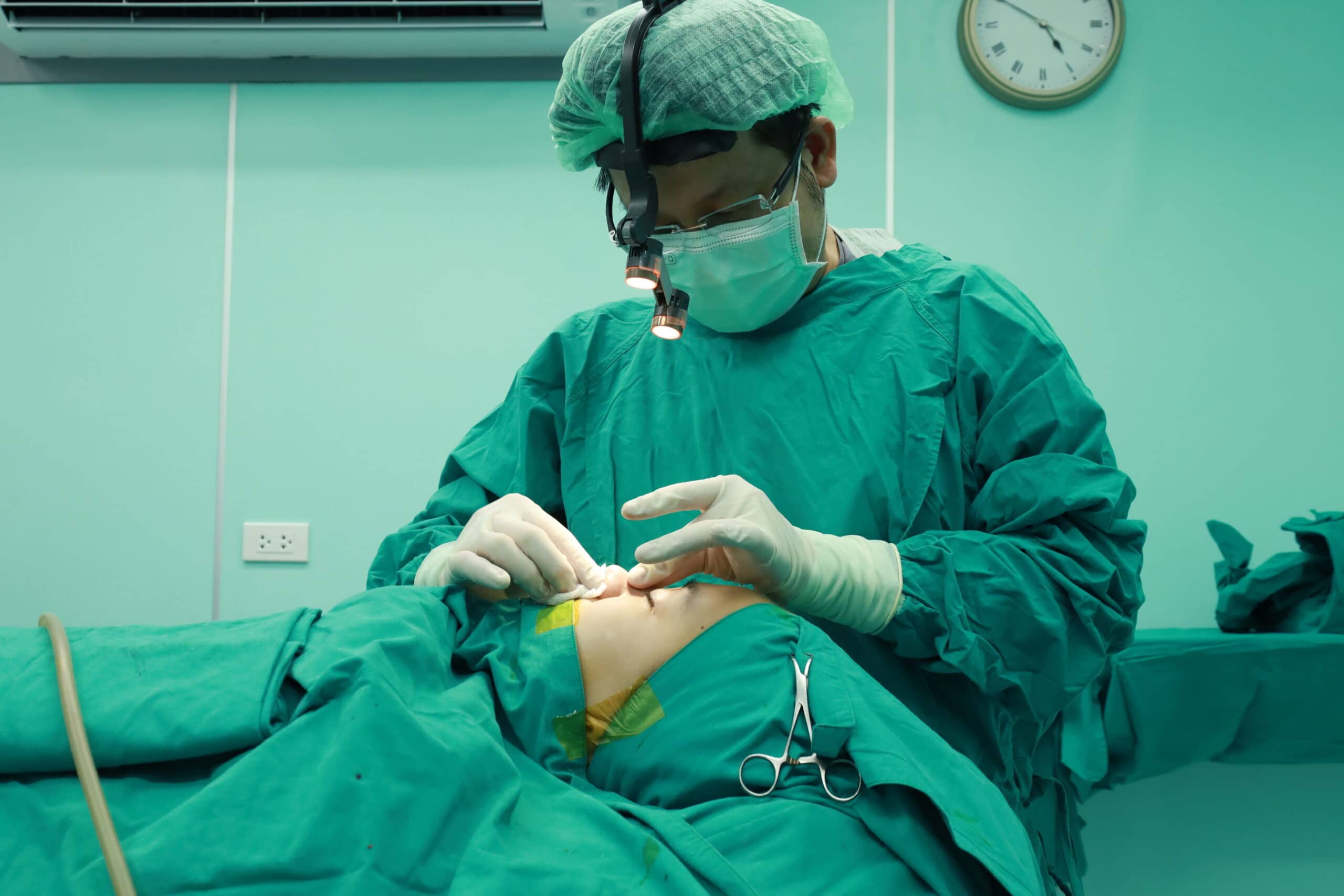
Rhinoplasty, revision and other nose surgery change the shape of the nose to suit the face. Whether with closed rhinoplasty or open rhinoplasty with structural correction, the surgeon considers and decides on the technique that suits each person.
Rhinoplasty Techniques at S45 Clinic


Closed Rhinoplasty (Semi-Open)

An L-shaped silicone implant is placed in the nose, and the surgeon carves the implant to suit each person’s face.
– Rhinoplasty with a silicone implant
– Rhinoplasty with a silicone implant and tip graft material such as acellular dermal matrix, dermofat graft from the tailbone area and ear cartilage
This technique suits people having their first rhinoplasty, or people who do not have many problems with their nose and want to change its shape or add definition to the face. Rhinoplasty takes at least 30 to 60 minutes (depending on how complex each case is).
Open Rhinoplasty

Open rhinoplasty suits people with problems in the nasal structure, or who want to correct a nose that is deviated, tilted or crooked, has a dorsal hump or has had an infection, as well as people with cleft lip and palate. Techniques include:
- rhinoplasty with structural correction using rib cartilage (hybrid rib rhinoplasty), with a silicone implant for the bridge and rib cartilage for the tip
- rhinoplasty with structural correction using rib cartilage only (total rib rhinoplasty), where the bridge and tip are made entirely of rib cartilage
Open rhinoplasty needs a general anaesthetic because it is major surgery, and it is done only under the care of an anaesthetist. Surgery takes 3 to 6 hours (depending on how complex each case is).
Open Rhinoplasty With Base Reshaping (Without Septal Extension)
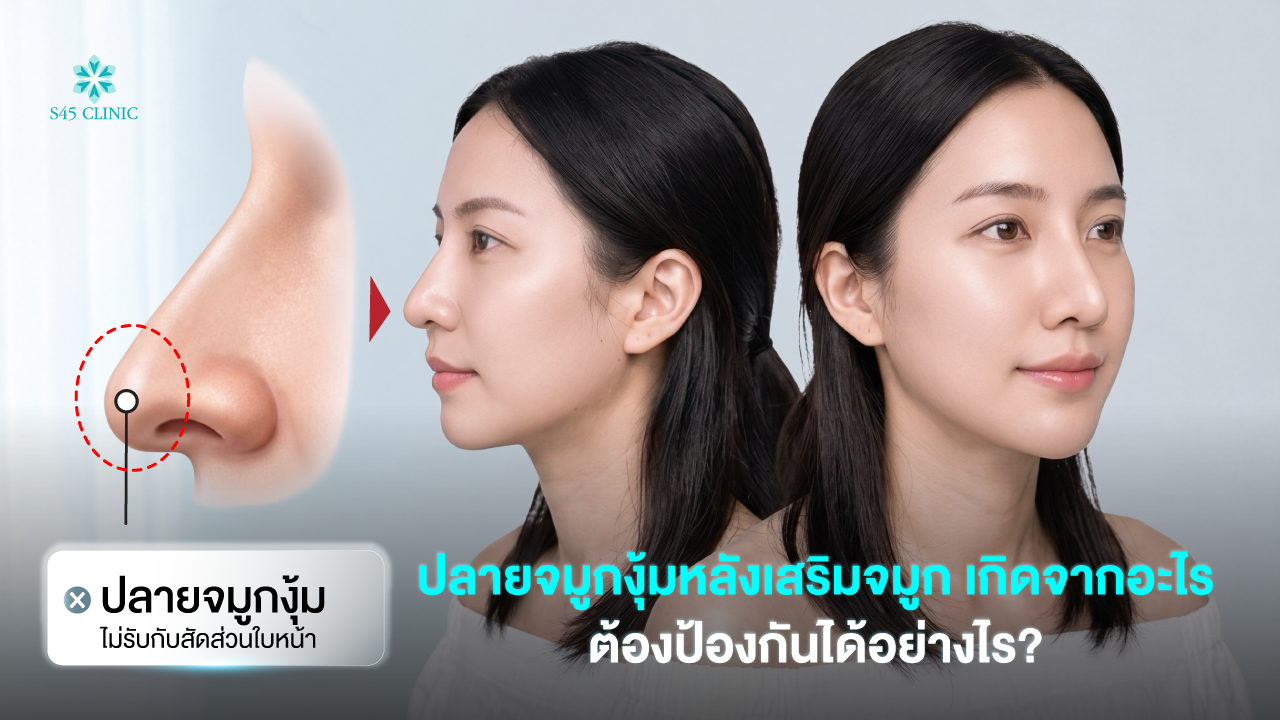
A nose can become tilted, crooked or asymmetrical, with a chance of extrusion and infection, if the surgeon does not have enough experience or the silicone implant is not placed to the proper standard.
Causes of a Crooked Nose After Rhinoplasty With a Silicone Implant
- A strong knock, sleeping on your side or blowing your nose hard enough to jolt it
- Suitable sleeping positions after plastic surgery (internal link to article)
- Inflammation, swelling, redness or bleeding on the bridge of the nose that makes the silicone implant move
- A silicone implant that does not fit the bridge or the facial structure, or an implant placed off-centre or in the wrong position, which can make it float or become crooked or tilted
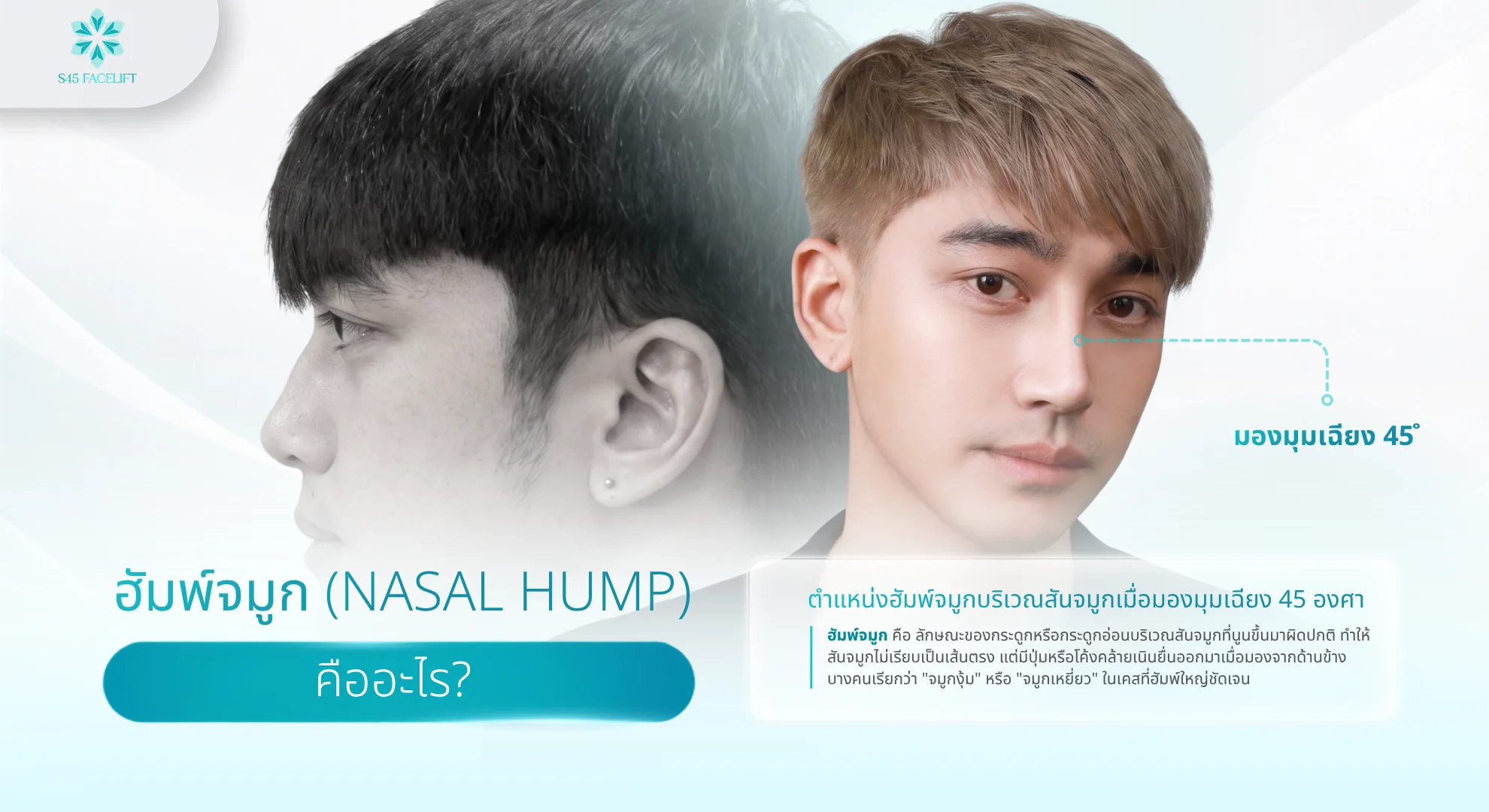
- A high dorsal hump that was not removed by rasping, which can make the nose look tilted and stiff
What to Do About a Crooked or Tilted Nose After Rhinoplasty
The risk of this problem is lower if you choose rhinoplasty or nose surgery with a technique that suits you, which a surgeon may help assess.

Today, choosing open rhinoplasty with structural correction and no silicone in the tip lets the surgeon see more of the nasal structure and correct the problem directly.
If it has already happened, see a surgeon soon so the nose does not become more misshapen. If it has become worse, you may need to have the implant removed and wait at least 6 months, then consult the surgeon about rhinoplasty or revision again.
Is Your Nose Crooked?
You can tell if the silicone implant is tilted, or the bridge and tip are not aligned or not symmetrical. Look at your face in a mirror and find the midline of your face, between your eyebrows, the inner corners of your eyes and the tip of your nose. Draw a line through these 3 points and see whether it is straight. If it is not, your nose is crooked.
If it is caused by your original facial structure, where the facial bones are crooked or tilted, some tilt may still show after surgery, but structural correction techniques can help make it straighter. In any case, consult a surgeon who is experienced specifically in nose surgery.
Consultation With a Surgeon About Correcting a Crooked Nose
A crooked nose is common after rhinoplasty. To lower the chance of a crooked or tilted nose, look after yourself well, follow advice carefully and choose an experienced surgeon and a clean medical facility.
If you notice that your nose has lost its shape or become crooked or tilted, have it corrected rather than leaving it for long. Start with a consultation with a surgeon for advice, so the correction matches the problem you have.
Where to Have Rhinoplasty
S45 Clinic With Experienced Surgeons
difficult Cases, Crooked Nose Revision and Cleft Lip and Palate Correction
Get a Consultation With a Surgeon for Advice on Correcting a Crooked Nose
Note: Revision rhinoplasty, which many people know as ‘nose correction’, is surgery for people who have had nose surgery before and need further assessment by a surgeon. Care depends on the original problem, the structure of the nose and the surgeon’s judgement in each case.